Losing teeth can feel like a constant challenge — whether it’s struggling to enjoy your favorite meals, feeling self-conscious about your smile or dealing with uncomfortable dentures that never seem to fit quite right.
Thankfully, there are a range of solutions to help restore both function and confidence. One such option is flexible partial dentures, a comfortable and natural-looking alternative to traditional dentures.
In this blog, we explore what flexible dentures are, who they’re designed for and how they work. You’ll also discover helpful information to weigh their benefits and limitations, helping you decide if they’re the right choice for your dental needs.
While flexible dentures can be a comfortable solution for some patients, others may be looking for a more stable, long-term tooth replacement option. At Archpoint Implant Dentistry, we also offer advanced dental implant treatments, including All-on-4® dental implants, which provide a fixed alternative to removable dentures. Request an appointment to discuss which solution best fits your needs.
What Are Flexible Partial Dentures?
Flexible dentures are a modern solution for replacing missing teeth, offering comfort and a natural appearance. Unlike traditional dentures made from rigid acrylic or metal, these are crafted from lightweight, durable materials that adapt comfortably to the gums. This design ensures a snug and secure fit, providing functionality and aesthetics.
Who Are Flexible Partial Dentures For?
Flexible dentures are ideal for individuals with specific dental needs:
- Partial Tooth Loss: These dentures are suitable for replacing some teeth while using healthy natural teeth for support.
- Allergies or Sensitivities: The flexible material provides a hypoallergenic alternative for patients sensitive to traditional acrylic or metal dentures.
- Aesthetic Priorities: Their natural appearance makes them an excellent choice for those seeking a visually discreet and comfortable replacement option.
If you’re exploring options and wondering whether flexible dentures are right for you, Archpoint Implant Dentistry offers a free initial consultation. We’ll be happy to discuss your dental needs and find the best solution for your smile.
The Advantages of Flexible Dentures
Flexible dentures provide various benefits, making them a preferred option for many patients seeking comfort and functionality in tooth replacement. Let’s take a closer look at these advantages:
- Enhanced Comfort
Flexible partial dentures are made from soft thermoplastic materials that mold perfectly to the natural contours of your gums. Unlike rigid dentures, they provide a snug, comfortable fit without causing irritation or pressure points. This makes them an excellent choice for patients who have experienced discomfort with traditional dentures.
- Durability
Durability is a hallmark of flexible dentures. Unlike traditional dentures, which can be prone to cracks or breakage, flexible dentures are less likely to fracture if dropped. This ensures a longer lifespan, reducing the need for frequent repairs or replacements.
Moreover, their flexible nature allows them to withstand the stresses of daily activities, making them a practical choice for many patients.
- No Need for Adhesives or Metal Clasps
One of the most notable features of flexible dentures is their secure fit without relying on adhesives or metal clasps. Instead, they typically have thin, flexible extensions that gently wrap around adjacent teeth, providing stability without the discomfort or visibility of traditional clasps.
This design ensures that the dentures stay firmly in place during eating, speaking and other daily activities.
- Quick Fabrication
Flexible dentures are often faster to fabricate than traditional dentures. This efficient process allows patients to get their new smile quickly, minimizing the waiting period and enabling a prompt return to their daily activities. The quicker turnaround time is particularly beneficial for those seeking a convenient and efficient solution.
- Aesthetic Appeal
The gum-colored, translucent base of flexible dentures blends seamlessly with natural gums, while the clasps are designed to be nearly invisible. This makes them an aesthetically pleasing option, as they enhance the appearance of your smile without drawing attention to the dentures themselves.
With these dentures, you can enjoy a natural look and feel more confident in social and professional settings.
The Disadvantages of Flexible Dentures
While flexible partial dentures offer many advantages, they are not without limitations. It’s essential to consider these drawbacks when evaluating whether they are right for you.
- Limited Strength
While flexible dentures are less prone to breaking than rigid acrylic ones, they are not as strong as traditional metal-based or implant-supported options. This reduced strength makes them less suitable for patients with heavy biting forces.
Additionally, flexible dentures may have a shorter lifespan than conventional dentures, which can lead to earlier replacement needs.
- Limited Adjustability
Unlike traditional dentures, these partials are more challenging to adjust or refit. The flexible materials, while comfortable, lack the stability of rigid alternatives. Changes in gum or jaw shape over time may necessitate a complete replacement. This can add to the overall cost and inconvenience.
- Not Suitable for All Cases
Flexible dentures are only available as partial dentures, meaning they cannot replace all your teeth. If you need full dentures, you’ll need to consider conventional varieties.
Moreover, these dentures are best suited for individuals with good oral hygiene habits. Their porous materials can harbor bacteria, making them unsuitable for patients with a history of gum disease or those unable to maintain a strict cleaning routine.
- Susceptibility to Staining
The materials used in flexible dentures, such as nylon, are more porous than those in traditional dentures. As a result, they are more prone to staining from foods or beverages.
Over time, they may also degrade in color, impacting their natural appearance. Daily cleaning and avoiding stain-causing substances are essential to keep them looking natural.
Flexible Dentures vs. Dental Implants: Finding the Right Solution
Flexible partial dentures provide a comfortable and aesthetically pleasing option for replacing missing teeth. Their lightweight design, natural appearance and secure fit make them an appealing choice for many patients seeking a removable tooth replacement solution.
However, flexible dentures are not ideal for every situation. They are only available as partial dentures, may require replacement as your mouth changes over time and do not provide the same level of stability and chewing power as implant-supported solutions.
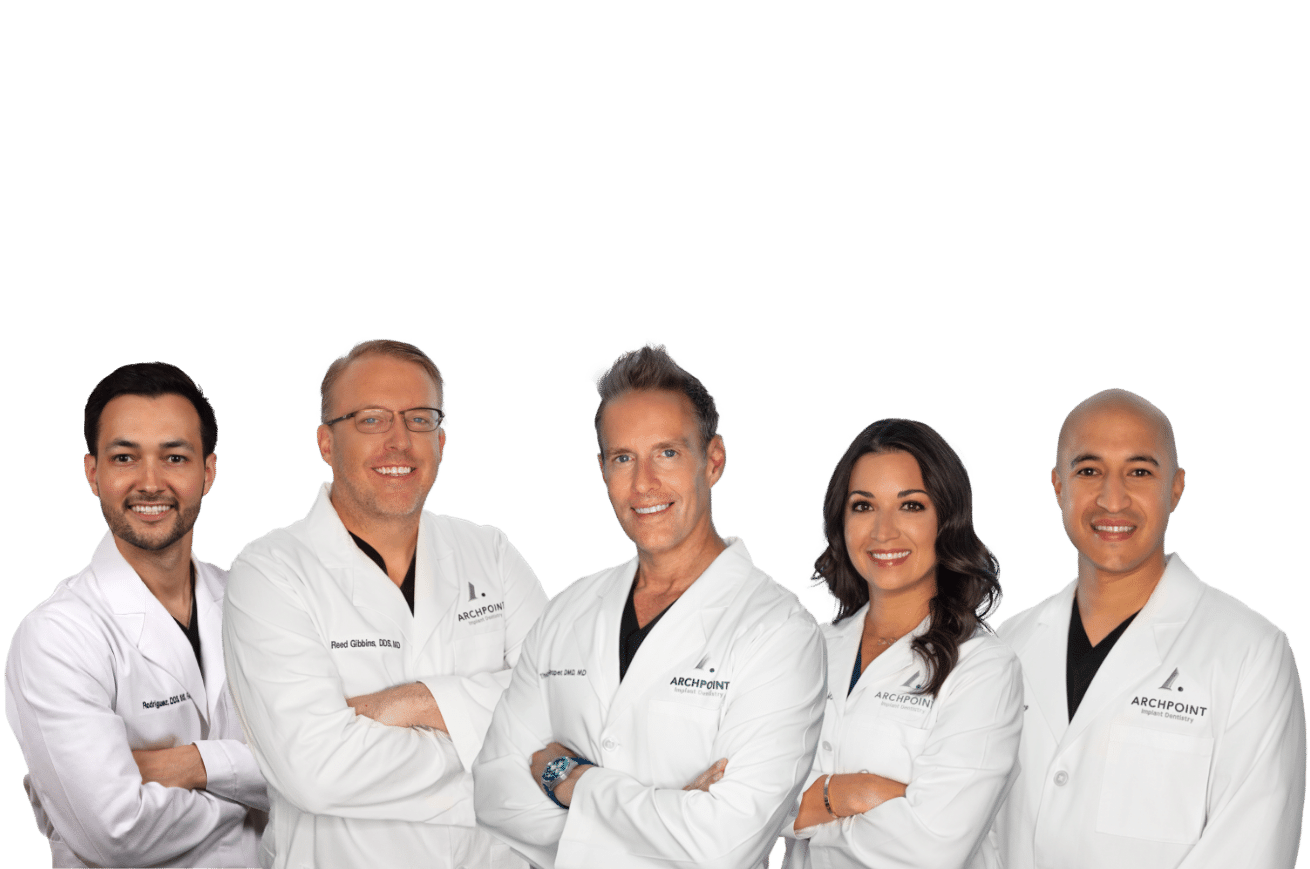
At Archpoint Implant Dentistry, we help patients explore all available tooth replacement options, from traditional and flexible dentures to advanced implant-supported restorations. For patients seeking a more permanent solution, All-on-4® dental implants can provide a stable, fixed set of teeth without the need for removal, adhesives or ongoing denture adjustments.
If you’re considering flexible dentures or wondering whether dental implants may be a better long-term option, request an appointment today. Our team will help you compare your options and develop a treatment plan tailored to your smile goals.